100 chairs in one night


I don’t remember if it was during the five days of the first slaughterhouse or at the end of it…
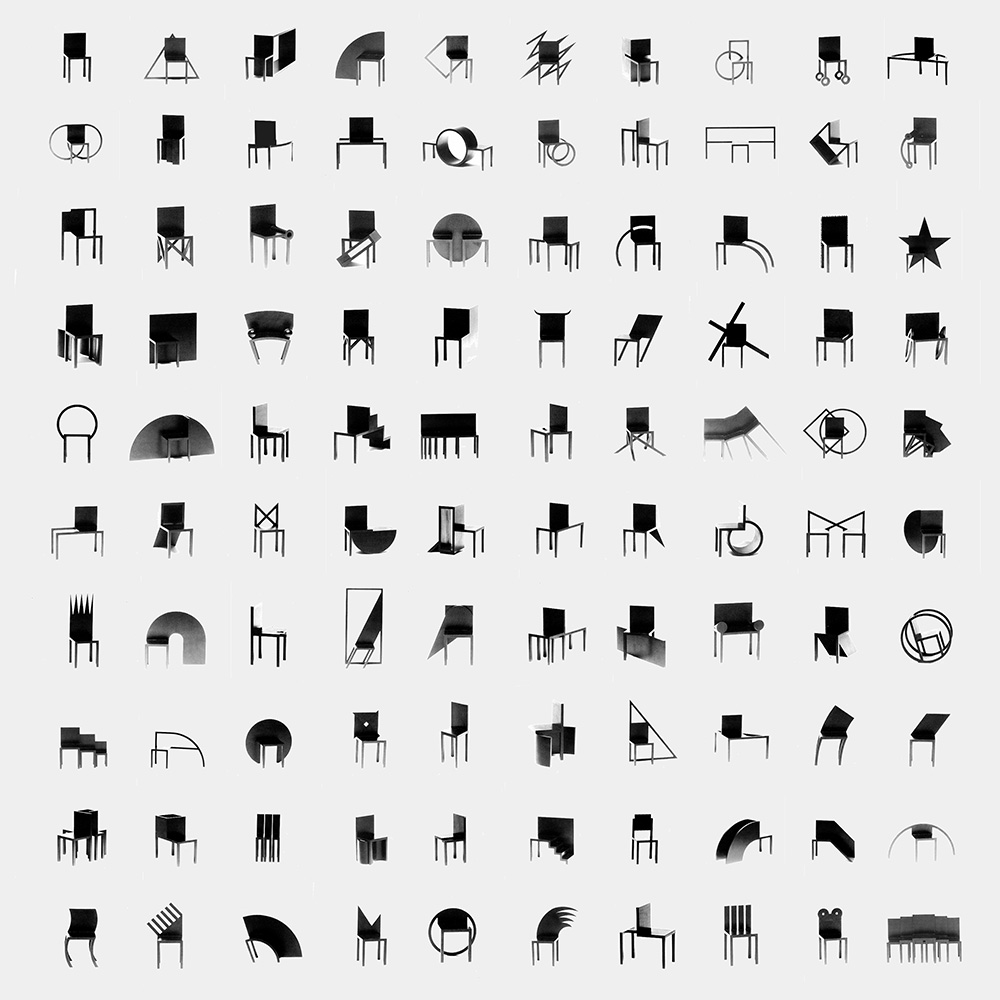
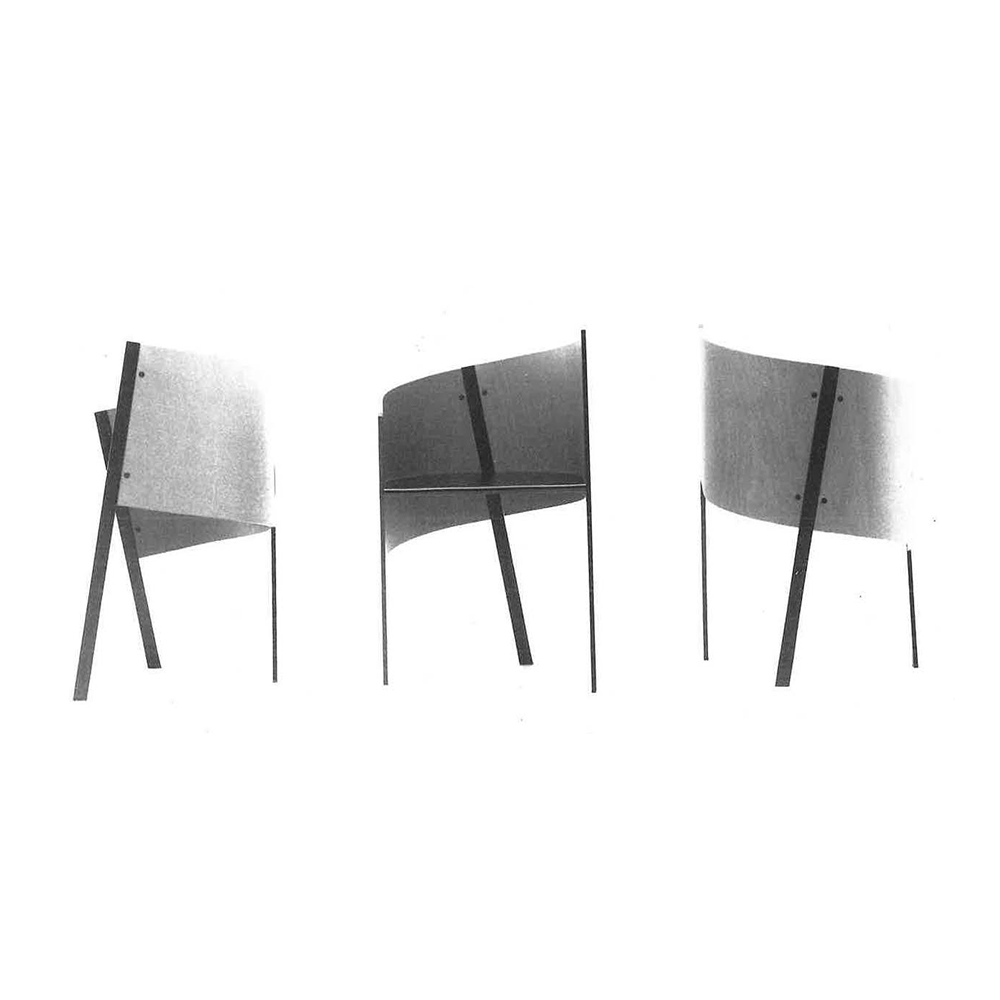
nor do I remember who communicated that request to me, so inconsistent and distant from my work, but this happened in Milan in September of 1988. If I remember correctly, a gallery owner* and an artist, both of clear fame, had visited and appreciated the exhibition and the place of holocaust that hosted it: a orrible butcher’s shop that had been made of neglect, abandonment and graffiti of those who had frequented it, its own charm. I followed art with interest just as I loved cinema, literature, and anything else that pursued beauty as a primary and essential goal… but not with the attention I reserved for architecture and design (a term I use by convention but which I hate, as much as it is possible to get annoyed by a word). The intention – or rather the gamble – of the gallery owner was to offer me a work of art, apparently unwise and perhaps unaware of how much “the function” of what I was designing was the discriminating factor that separated my commitment as a designer from that of any artist, free – by obligation and necessity – from any representation, constraints, or constraints of any kind. Of course, I too avoided fashions, isms, trends, and anything else that was mannerist and datable… and not only that, because I pursued – often becoming a victim of – experiences and events that were out of the ordinary and not very recommendable, but always and in any case “the use” it was the essential constant. Besides, am I or am I not an architect? I rejected that proposal for which, among other things, I felt little interest and above all I did not perceive its urgency: indispensable conditions to nourish the prerogatives of an impeccable intent. The gallery owner did not lose heart and continued to insist to the point that I gave in and agreed to meet him. Certainly not an ordinary man, cultured and with great experience, he welcomed me with courteous attention in his gallery. The dialogue was interesting and pleasant. – as well as the tagliatelle and the relevant Lambrusco – and that character, with undoubted dialectical and story-telling abilities, with disarming ease convinced me to evaluate his proposal with more attention and availability. Here then, emerging from the laced ramparts of his castle * overlooking the sea, my guardian angel * – atheist and generous as always – offered me, in the lyrical form of a sonnet, the sharp words of his cutting verses. “But he broke the shell of the pain. into pieces and stretched out his hands high, as if to restrain the fleeing god. He years he asked, just one more year. of youth, months, a few days, ah, not days, but nights, only one, just one night, this night: this.” Specifically, it is about a man, a young groom, who on his wedding day receives a visit from his implacable God. He warns him, with inappropriate and ruthless cynicism, that his time has now come, his story is over. Dismay and amazement then change into supplication and prayer, a desperate and useless request. …and if on any given day, by chance or destiny, a bizarre whim of the God of aesthetics had imposed and granted me one last night to give vent to and exhaust my ambitions as an architect… also warning me that from the following day I would have to allocate the rest of my time to what normally ‘do you mean by art? How would I have used those hours of extension and what project would have satisfied that sliver of professional ambition and at the same time fulfilled the vexation of the impertinent God? After years of experience, I can guarantee that the most difficult intention that can be pursued in the sectors of my expertise – I am referring to architecture and design – is, without a doubt, designing a chair. It may seem silly and banal because everyone is capable of it, even children… but thinking of one that manages to leave the indelible mark of a new form on the paper and in the mind is difficult, very difficult… and this is a truth. absolute. I then proposed to the gallery-God that, conforming to the situation of the groom described in the sonnet – even if he was not granted any exemption – I would draw, on that last night as an architect, 100 chairs. I knew I could have at my disposal that dark, indefinable, and unknown design component, which has always been recognized in me and which allowed my works to be located in the balance, in a precarious balance between art and design. This faculty, far from any planning rationality, autonomous and therefore difficult to manage, uncontrollable and consequently at times overflowing and at others sterile, was well known to me, just as I was aware of my role as a simple intermediary. Three aesthetic conditions conditioned this abstract mechanism: the result had to be hard, simple, and clear; and even more mandatory was the predisposition of my intent which included in this order: total awareness, absolute attention and infinite waiting: this was the rule. It was clear that specifically what threatened the success of the purpose was the third pre-support, a requirement that could make the gamble futile. It went well.
I don’t remember if it was during the five days of the first slaughterhouse or at the end of it…
nor do I remember who communicated that request to me, so inconsistent and distant from my work, but
this happened in Milan in September of 1988. If I remember correctly, a gallery owner* and an artist, both of clear fame, had visited and appreciated the exhibition and the place of holocaust that hosted it: a orrible butcher’s shop that had been made of neglect, abandonment and graffiti of those who had frequented it, its own charm. I followed art with interest just as I loved cinema, literature, and anything else that pursued beauty as a primary and essential goal… but not with the attention I reserved for architecture and design (a term I use by convention but which I hate, as much as it is possible to get annoyed by a word). The intention – or rather the gamble – of the gallery owner was to offer me a work of art, apparently unwise and perhaps unaware of how much “the function” of what I was designing was the discriminating factor that separated my commitment as a designer from that of any artist, free – by obligation and necessity – from any representation, constraints, or constraints of any kind. Of course, I too avoided fashions, isms, trends, and anything else that was mannerist and datable… and not only that, because I pursued – often becoming a victim of – experiences and events that were out of the ordinary and not very recommendable, but always and in any case “the use” it was the essential constant. Besides, am I or am I not an architect? I rejected that proposal for which, among other things, I felt little interest and above all I did not perceive its urgency: indispensable conditions to nourish the prerogatives of an impeccable intent. The gallery owner did not lose heart and continued to insist to the point that I gave in and agreed to meet him. Certainly not an ordinary man, cultured and with great experience, he welcomed me with courteous attention in his gallery. The dialogue was interesting and pleasant. – as well as the tagliatelle and the relevant Lambrusco – and that character, with undoubted dialectical and story-telling abilities, with disarming ease convinced me to evaluate his proposal with more attention and availability. Here then, emerging from the laced ramparts of his castle * overlooking the sea, my guardian angel * – atheist and generous as always – offered me, in the lyrical form of a sonnet, the sharp words of his cutting verses. “But he broke the shell of the pain. into pieces and stretched out his hands high, as if to restrain the fleeing god. He years he asked, just one more year. of youth, months, a few days, ah, not days, but nights, only one, just one night, this night: this.” Specifically, it is about a man, a young groom, who on his wedding day receives a visit from his implacable God.
He warns him, with inappropriate and ruthless cynicism, that his time has now come, his story is over. Dismay and amazement then change into supplication and prayer, a desperate and useless request. …and if on any given day, by chance or destiny, a bizarre whim of the God of aesthetics had imposed and granted me one last night to give vent to and exhaust my ambitions as an architect… also warning me that from the following day I would have to allocate the rest of my time to what normally ‘do you mean by art? How would I have used those hours of extension and what project would have satisfied that sliver of professional ambition and at the same time fulfilled the vexation of the impertinent God? After years of experience, I can guarantee that the most difficult intention that can be pursued in the sectors of my expertise – I am referring to architecture and design – is, without a doubt, designing a chair. It may seem silly and banal because everyone is capable of it, even children… but thinking of one that manages to leave the indelible mark of a new form on the paper and in the mind is difficult, very difficult… and this is a truth. absolute. I then proposed to the gallery-God that, conforming to the situation of the groom described in the sonnet – even if he was not granted any exemption – I would draw, on that last night as an architect, 100 chairs. I knew I could have at my disposal that dark, indefinable, and unknown design component, which has always been recognized in me and which allowed my works to be located in the balance, in a precarious balance between art and design. This faculty, far from any planning rationality, autonomous and therefore difficult to manage, uncontrollable and consequently at times overflowing and at others sterile, was well known to me, just as I was aware of my role as a simple intermediary. Three aesthetic conditions conditioned this abstract mechanism: the result had to be hard, simple, and clear; and even more mandatory was the predisposition of my intent which included in this order: total awareness, absolute attention and infinite waiting: this was the rule. It was clear that specifically what threatened the success of the purpose was the third pre-support, a requirement that could make the gamble futile. It went well.

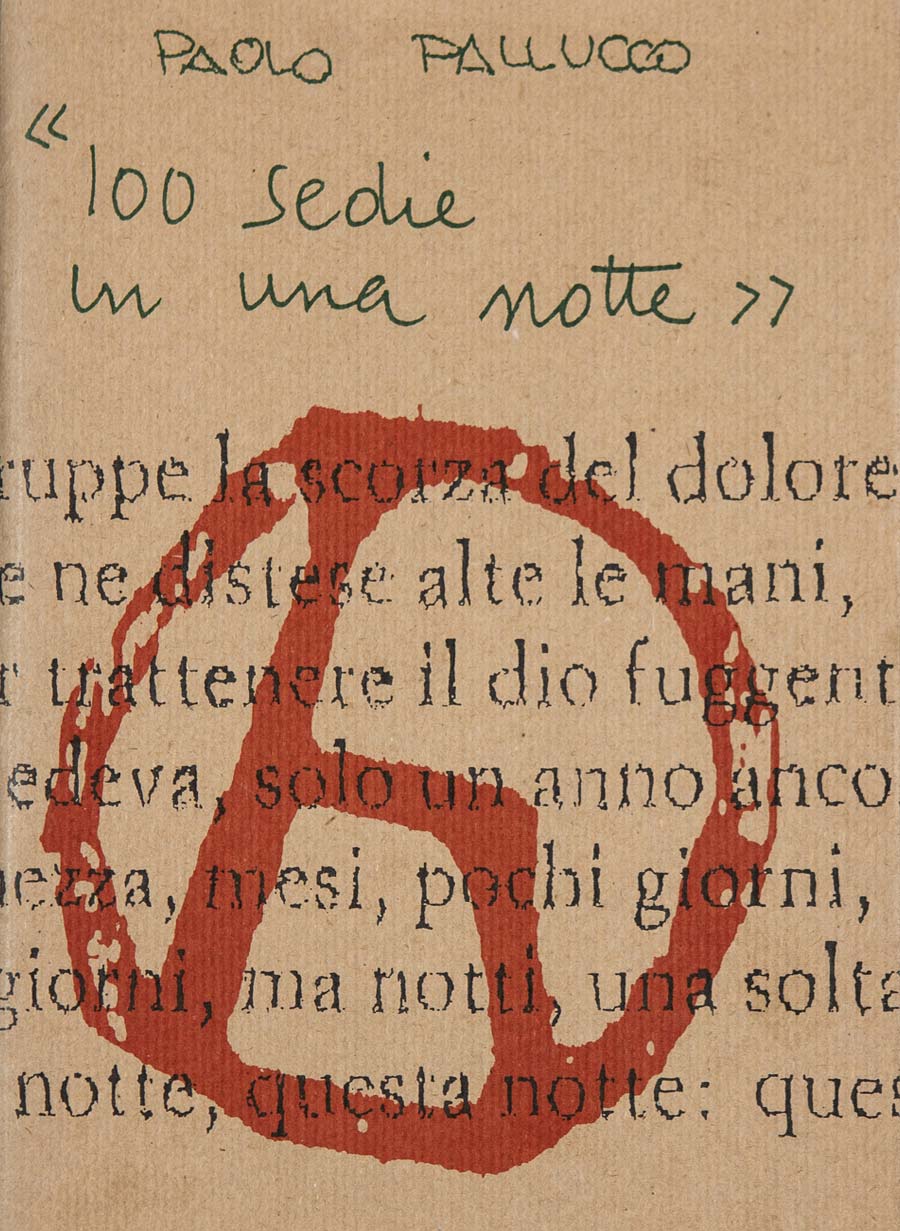
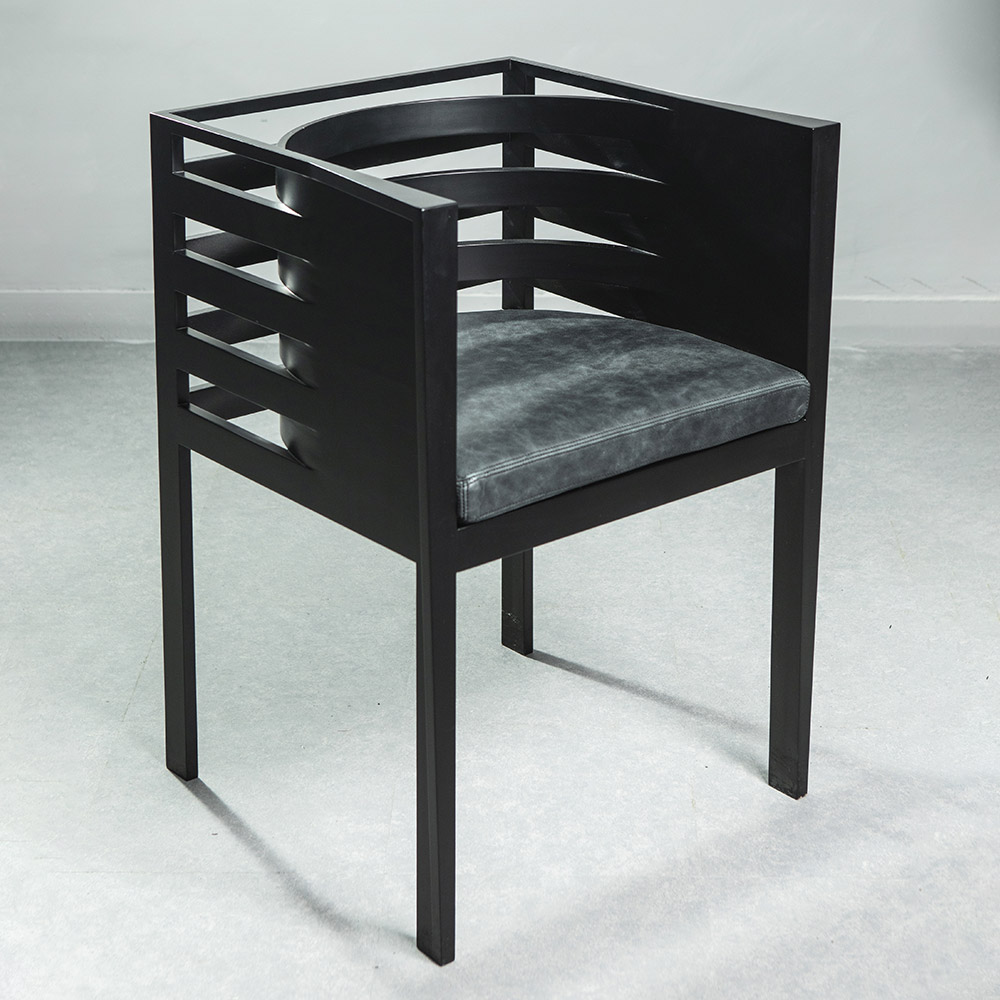
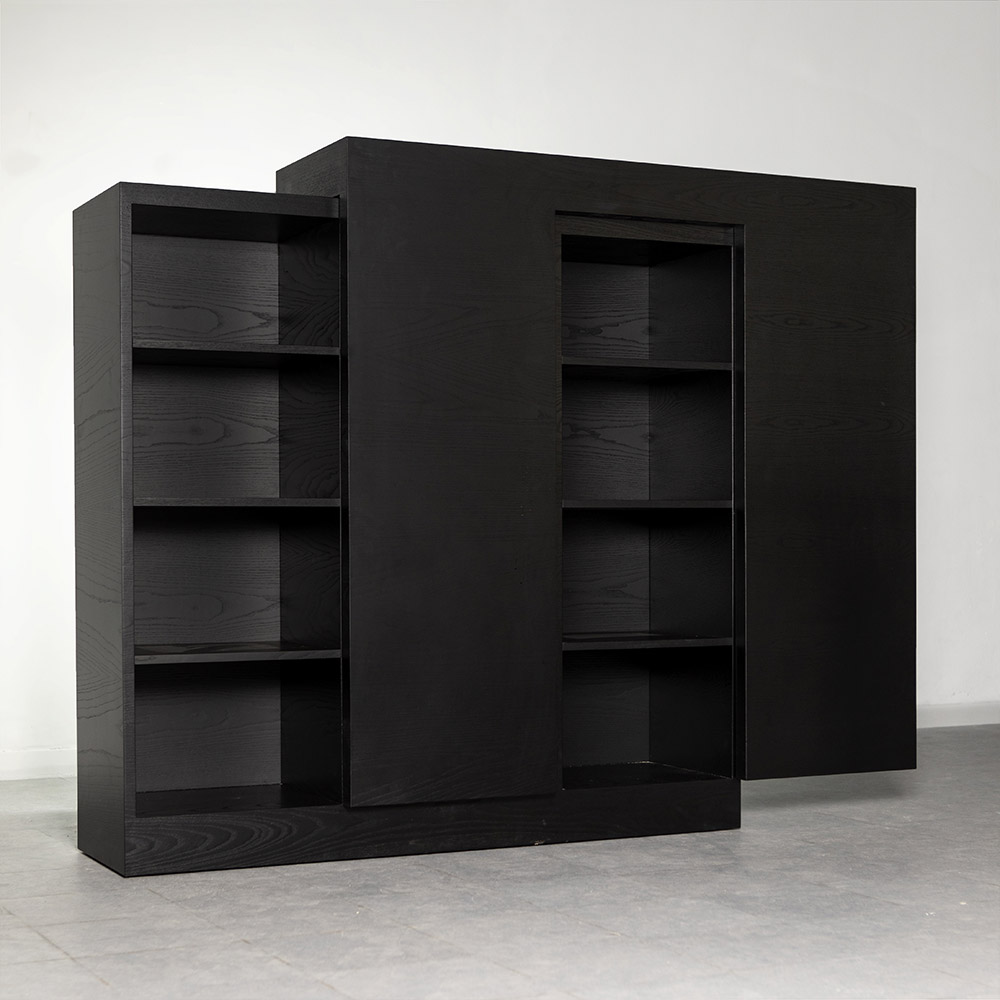
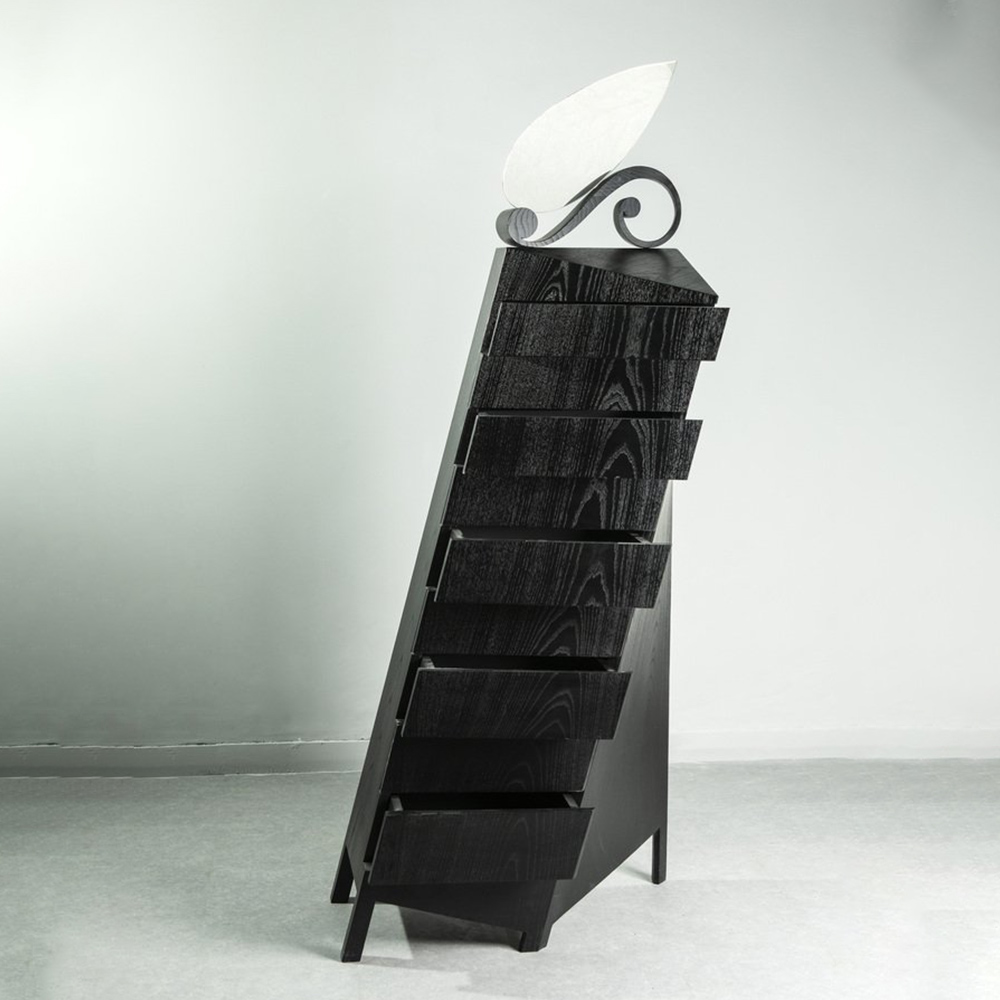
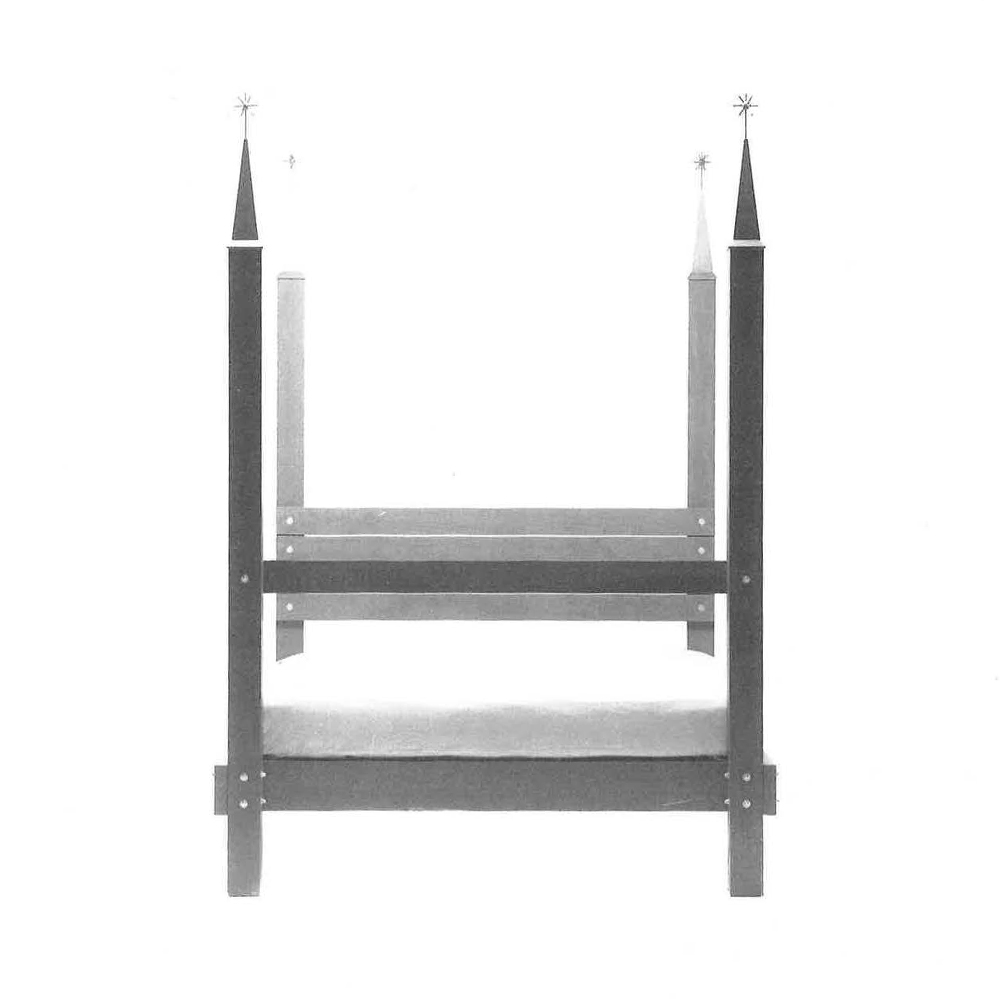
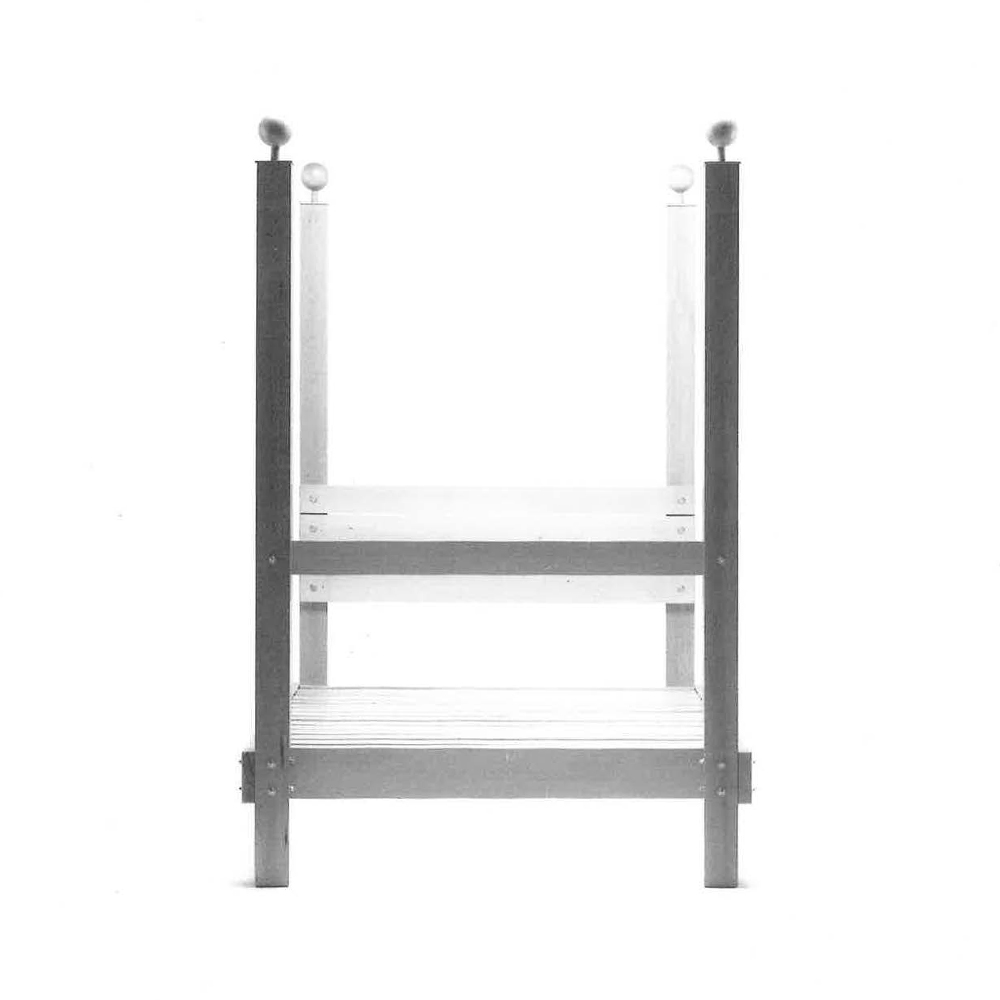
Gallery Mazzoli Modena 1990
Galleria Mazzoli Modena 1990

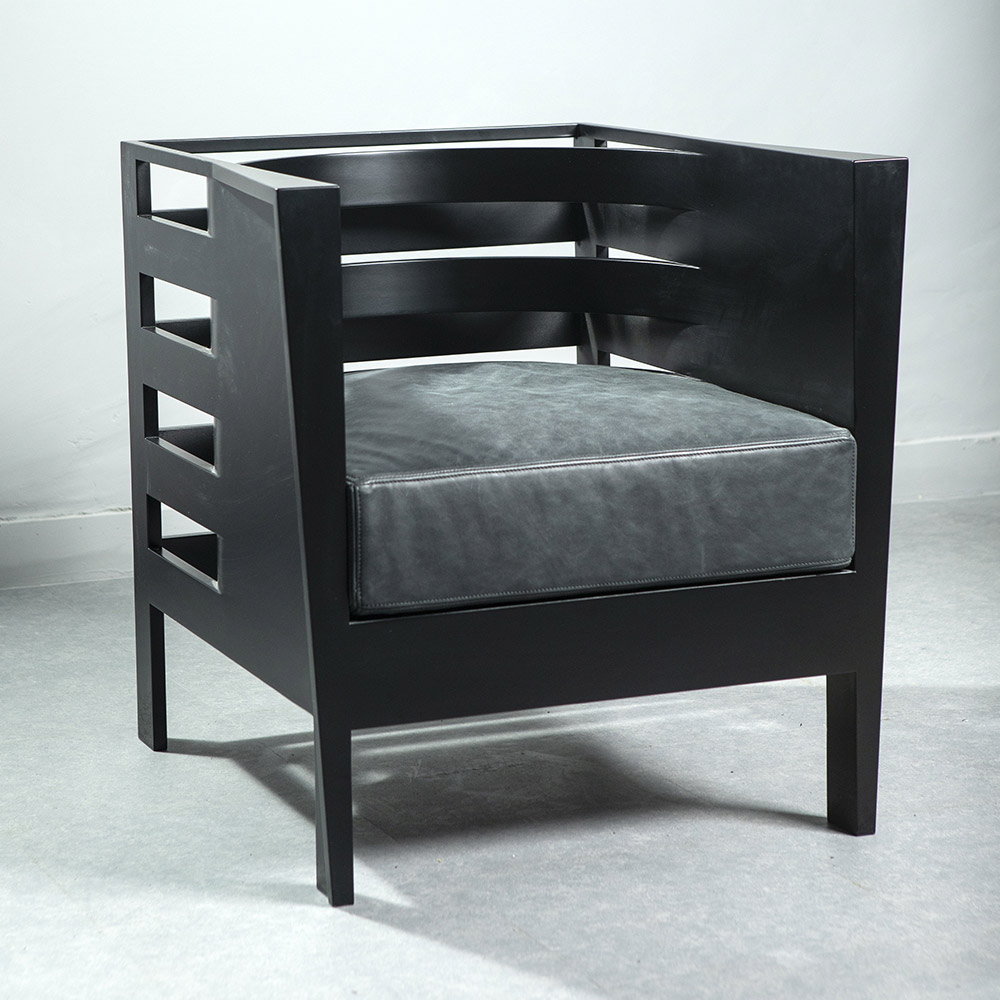
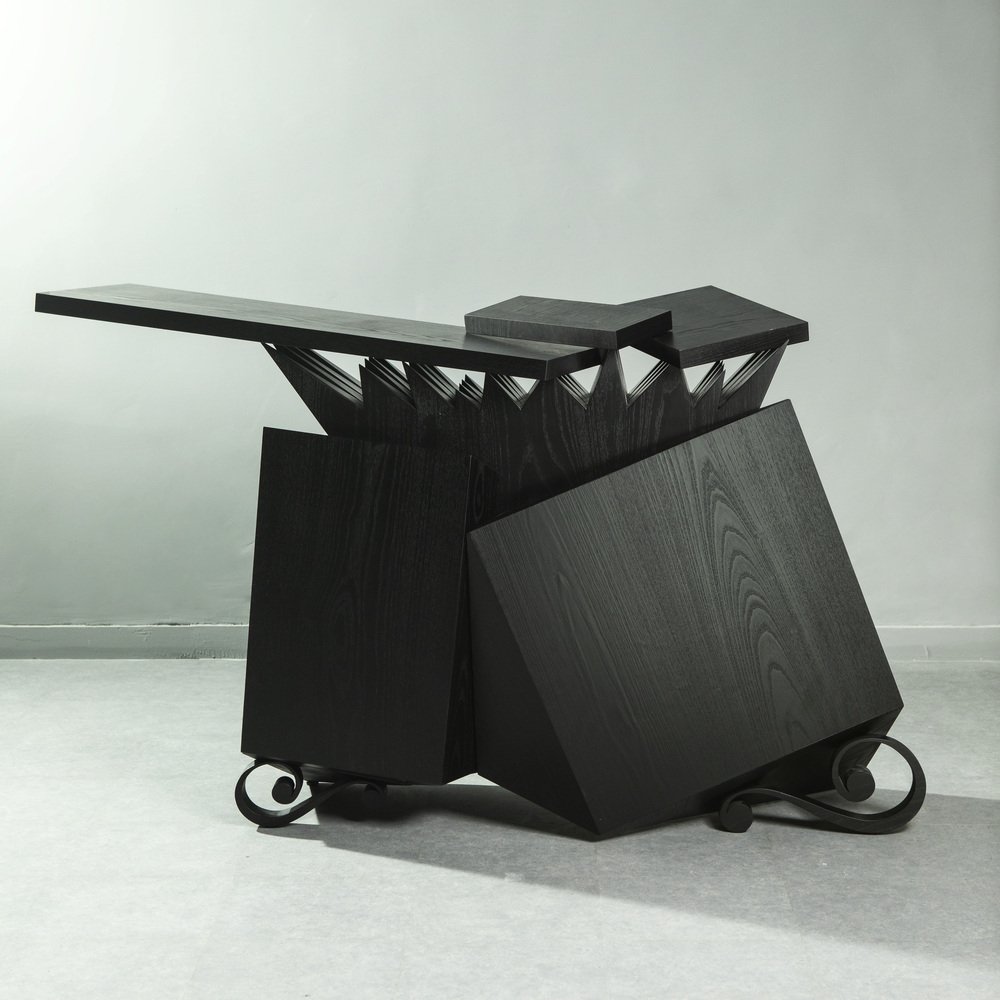
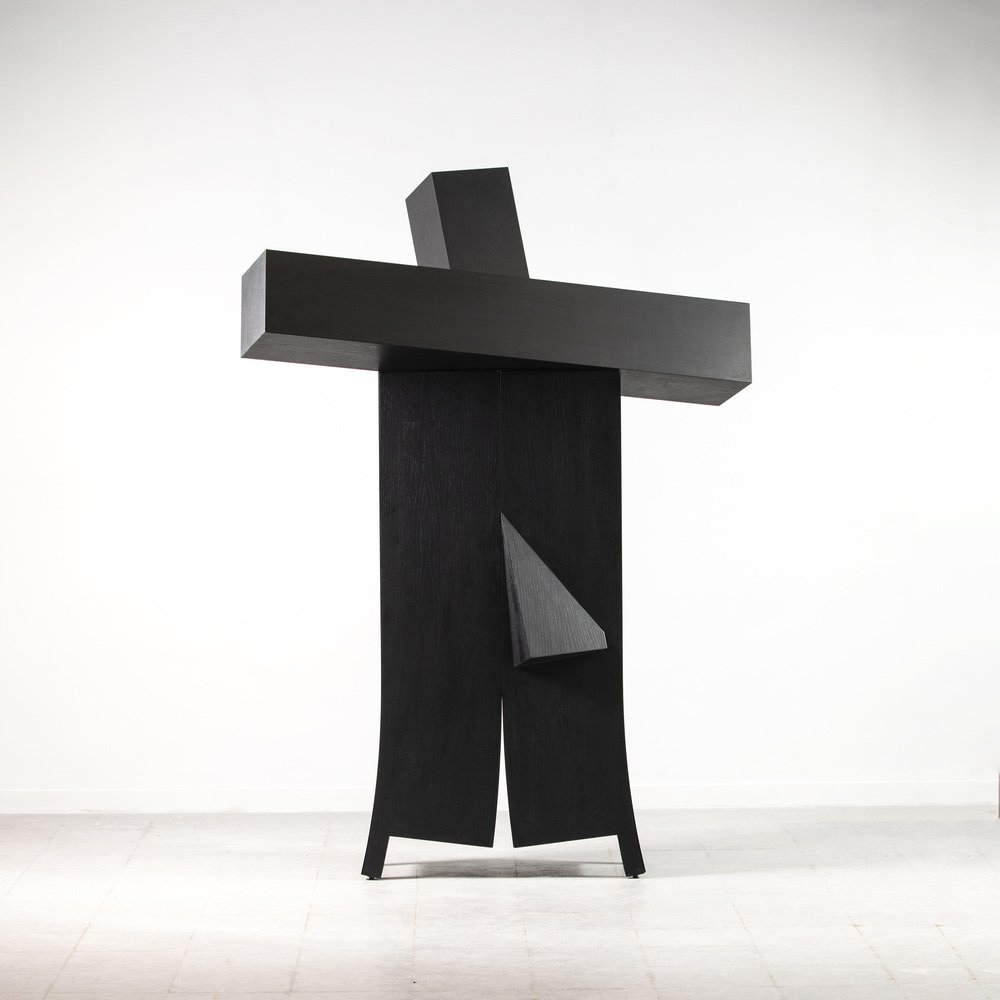
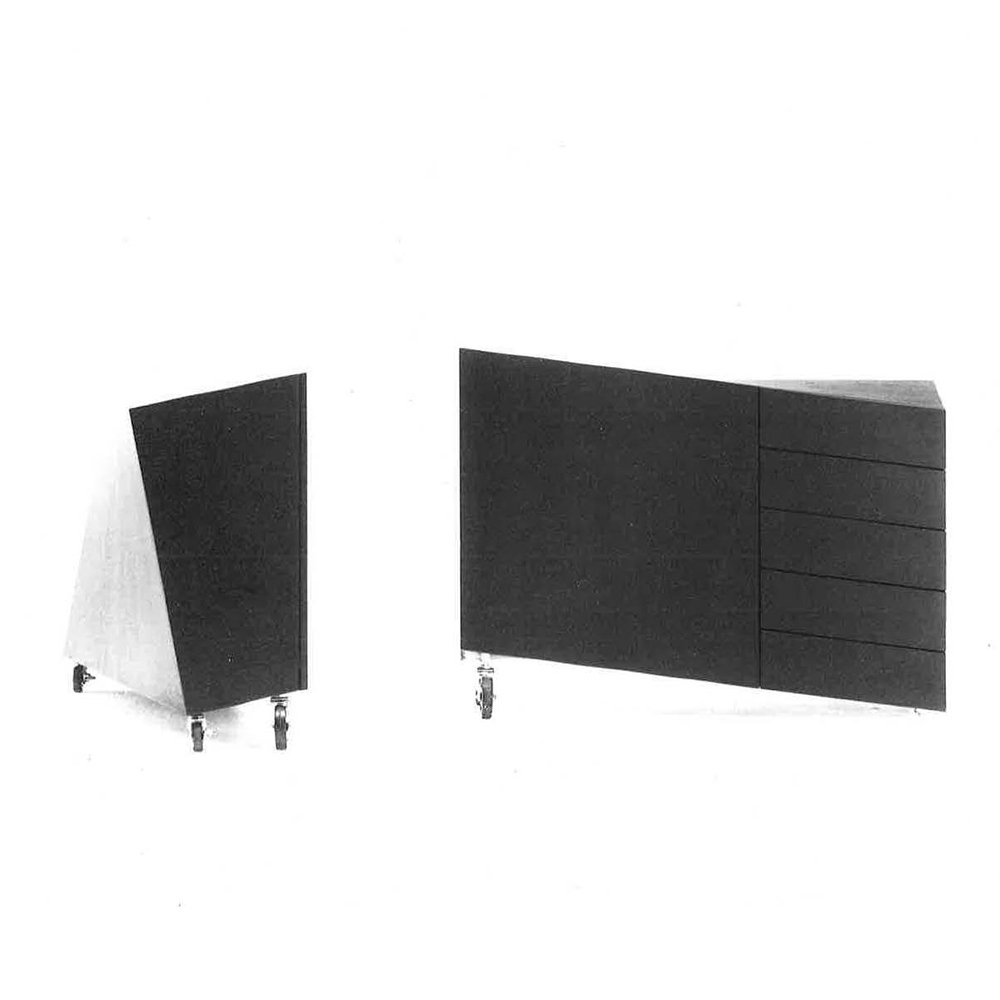
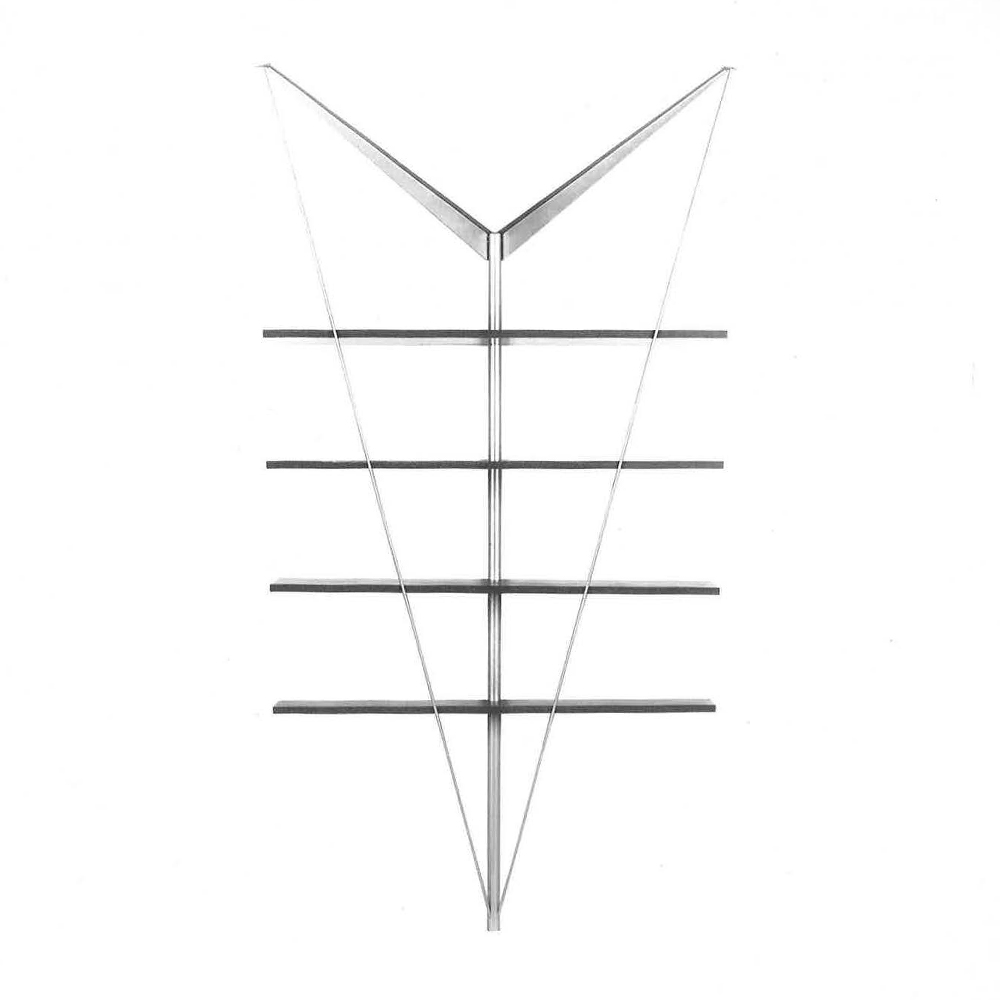
Gallery Klouser Monaco di Baviera 1990
Gallery Klouser Monaco di Baviera 1990